Structural Intelligence
A discipline for redesigning how organizations operate in the AI era
The Next Evolution of How Organizations Operate


A discipline for redesigning how organizations operate in the AI era
A discipline for redesigning how organizations operate in the AI era
A discipline for redesigning how organizations operate in the AI era
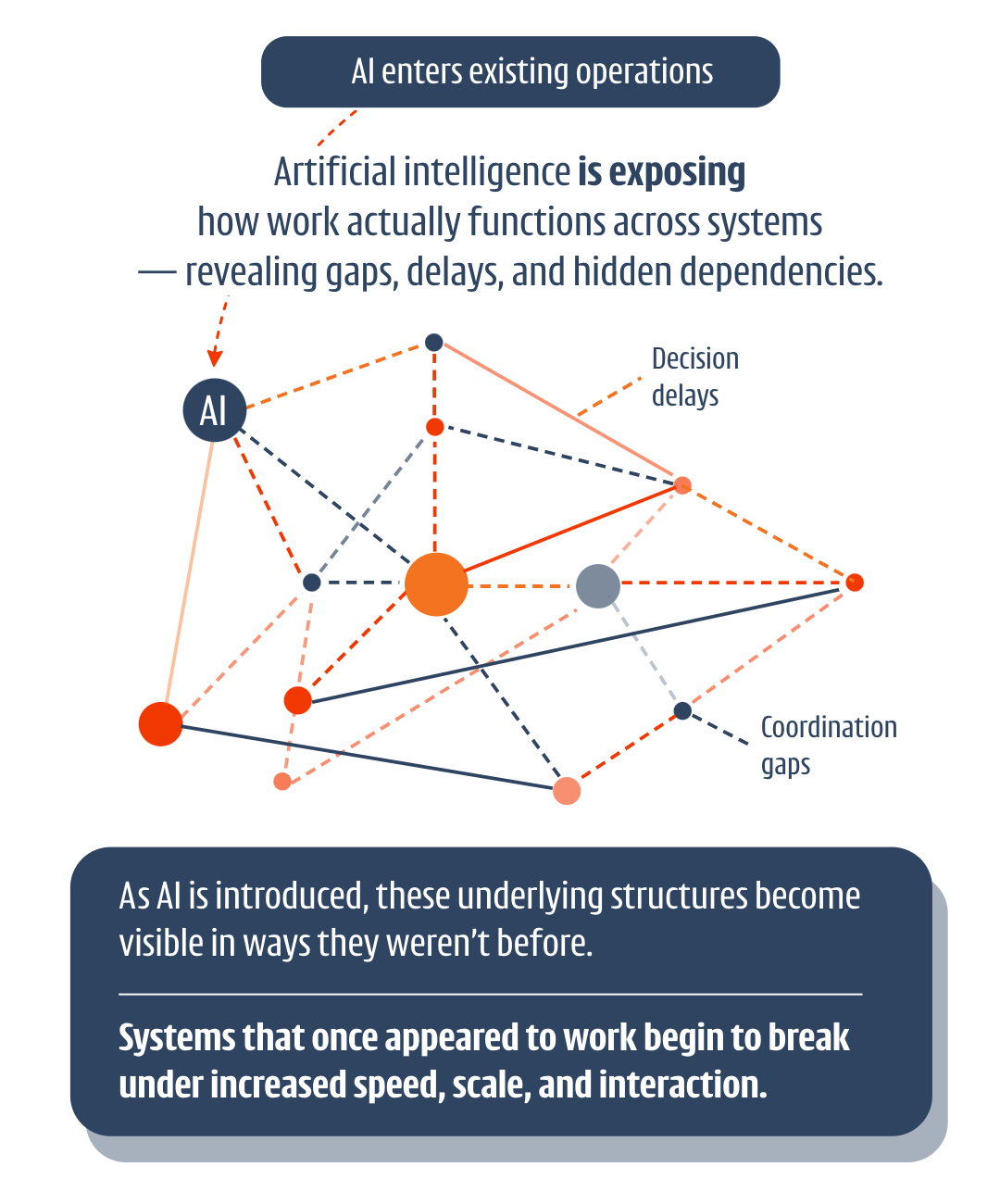
These systems shape:
But in most organizations, these systems were never intentionally designed.
They evolved over time — through layers of tools, processes, and habits — until how the organization actually functions became difficult to see.
These systems shape:
But in most organizations, these systems were never intentionally designed.
They evolved over time — through layers of tools, processes, and habits — until how the organization actually functions became difficult to see.
Clarity doesn’t happen all at once
— organizations move through stages as their systems become visible.

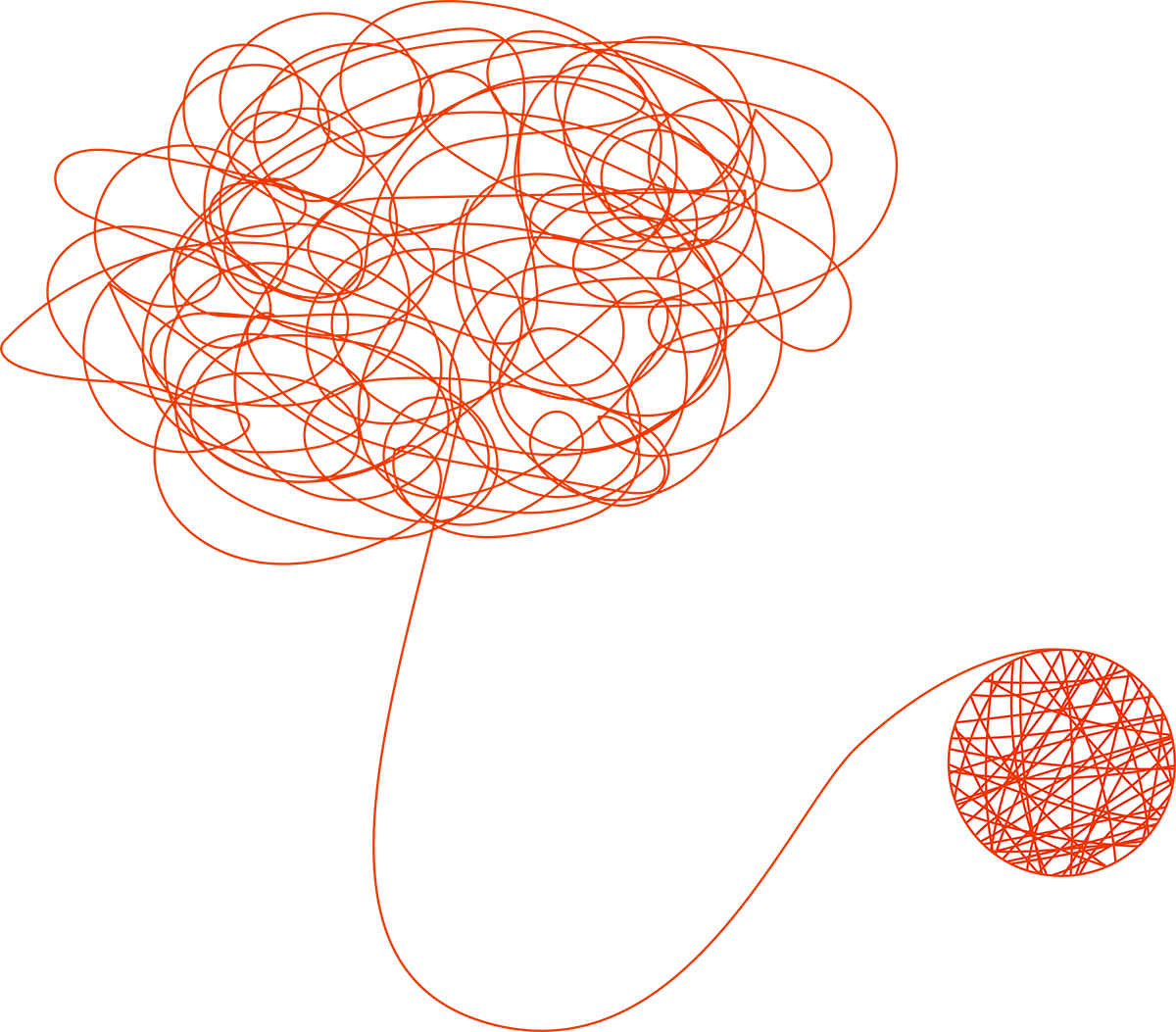
Work is getting done, but no one can fully explain how. Processes vary, decisions depend on individuals, and the system exists more in habits than in structure.
As tools and processes are added, the system becomes harder to follow. What once felt manageable now requires constant coordination — but the underlying structure is still invisible.
Work slows down. Decisions take longer, coordination breaks down, and teams begin working around the system instead of through it.
The organization begins to see how work actually moves. Workflows, decisions, and coordination are clarified and intentionally structured to support how work needs to function.
With systems clearly understood, AI can be integrated in ways that actually work. It enhances workflows, supports decisions, and improves execution — because the system it operates within is no longer hidden.
Clarity doesn’t happen all at once
— organizations move through stages as their systems become visible.
Work is getting done, but no one can fully explain how. Processes vary, decisions depend on individuals, and the system exists more in habits than in structure.
As tools and processes are added, the system becomes harder to follow. What once felt manageable now requires constant coordination — but the underlying structure is still invisible.
Work slows down. Decisions take longer, coordination breaks down, and teams begin working around the system instead of through it.
The organization begins to see how work actually moves. Workflows, decisions, and coordination are clarified and intentionally structured to support how work needs to function.
With systems clearly understood, AI can be integrated in ways that actually work. It enhances workflows, supports decisions, and improves execution — because the system it operates within is no longer hidden.
Clarity doesn’t happen all at once
— organizations move through stages as their systems become visible.
Work is getting done, but no one can fully explain how. Processes vary, decisions depend on individuals, and the system exists more in habits than in structure.
As tools and processes are added, the system becomes harder to follow. What once felt manageable now requires constant coordination — but the underlying structure is still invisible.
Work slows down. Decisions take longer, coordination breaks down, and teams begin working around the system instead of through it.
The organization begins to see how work actually moves. Workflows, decisions, and coordination are clarified and intentionally structured to support how work needs to function.
With systems clearly understood, AI can be integrated in ways that actually work. It enhances workflows, supports decisions, and improves execution — because the system it operates within is no longer hidden.
navaroAI is part of Xenovue — AI Direction Education & Tools operated by Xenovue LLC.
The Xenovue Proprietary System and the Xenovue AI Direction Operating System™ are proprietary intellectual property of Xenovue LLC.
© 2026 Xenovue LLC. All Rights Reserved.