ABOUT Xenovue
Designing operational systems for the AI era


ABOUT Xenovue
ABOUT Xenovue
Why Xenovue Exists
Xenovue focuses on how work actually moves — not how it is documented or assumed.
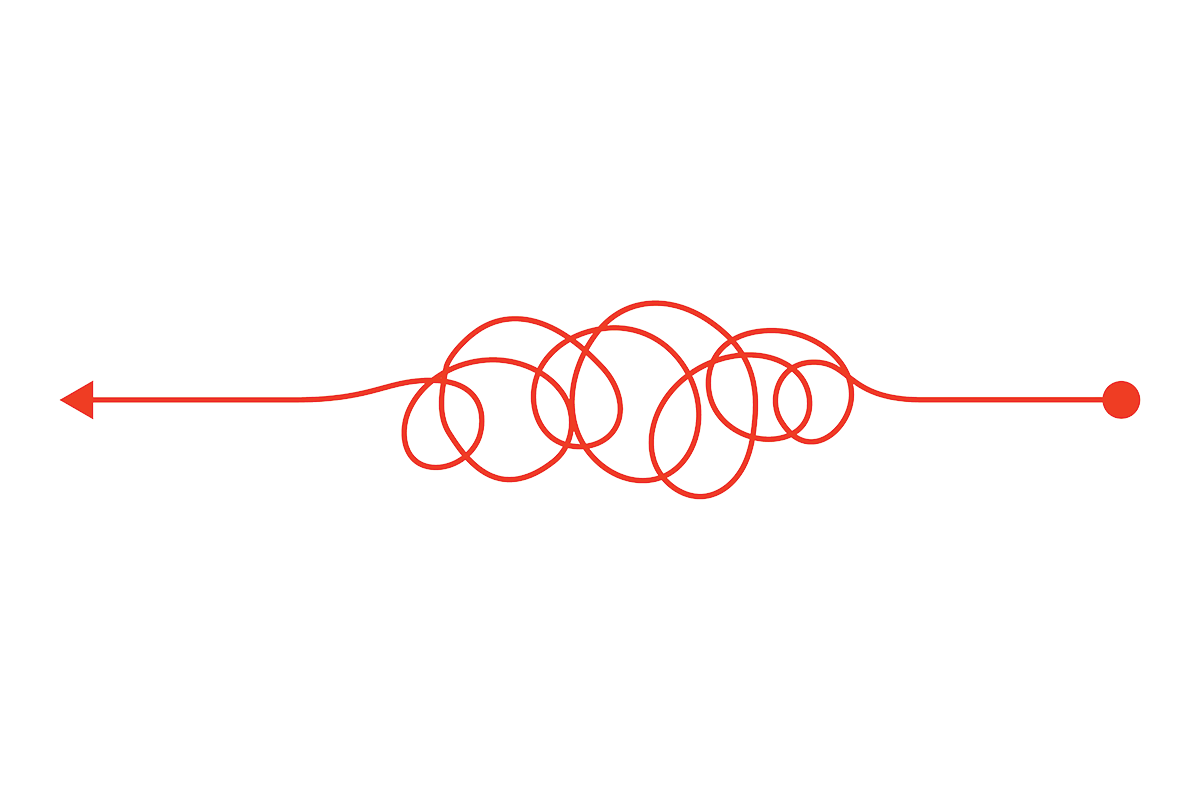
Most organizations operate through a mix of processes, tools, and habits that have evolved over time. As technology and AI are introduced, those systems are placed under pressure.
Without clarity, adding more tools only increases friction.
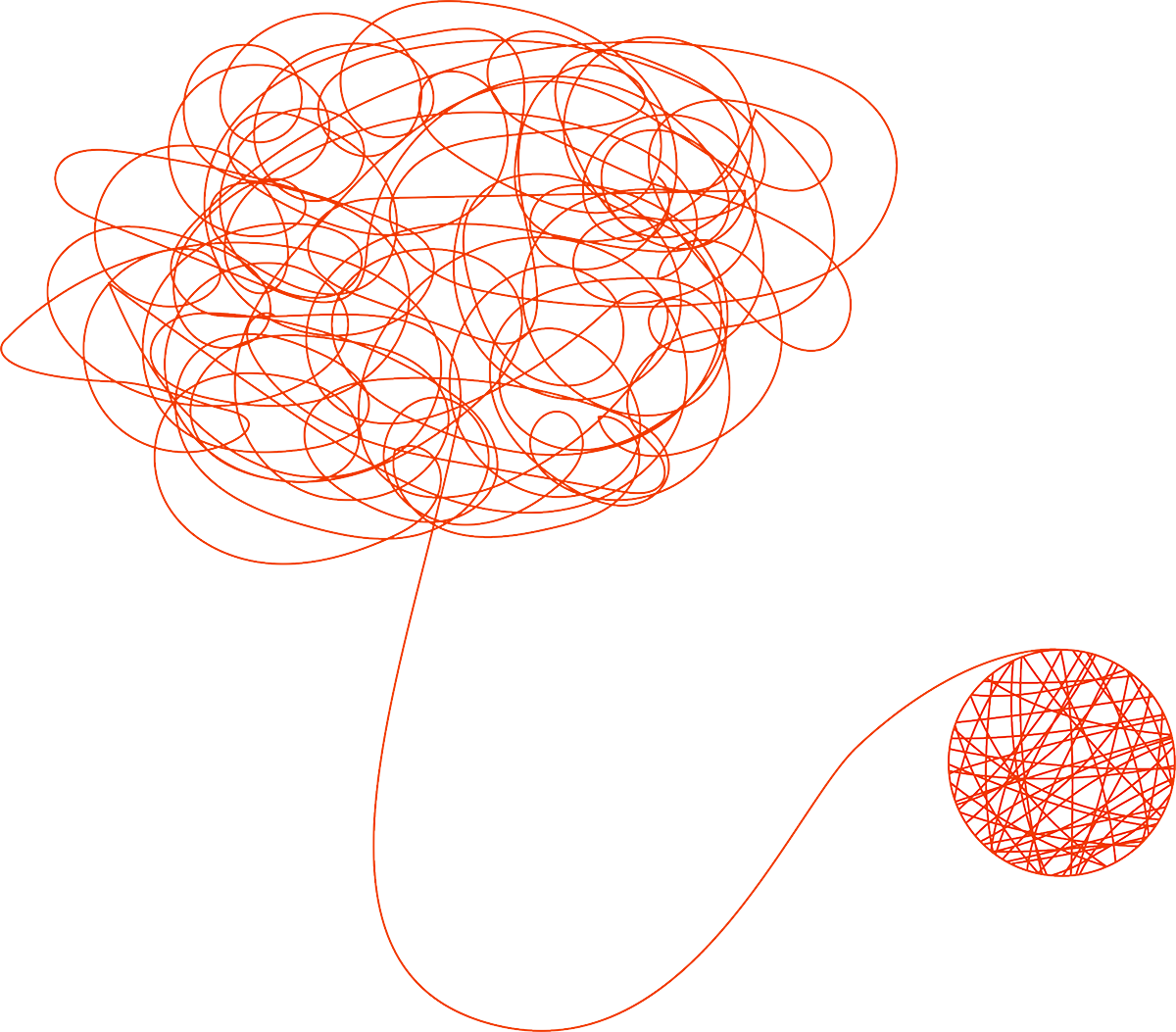
What looks like complexity is often a reflection of misalignment — not just in systems, but in how people interact within them.
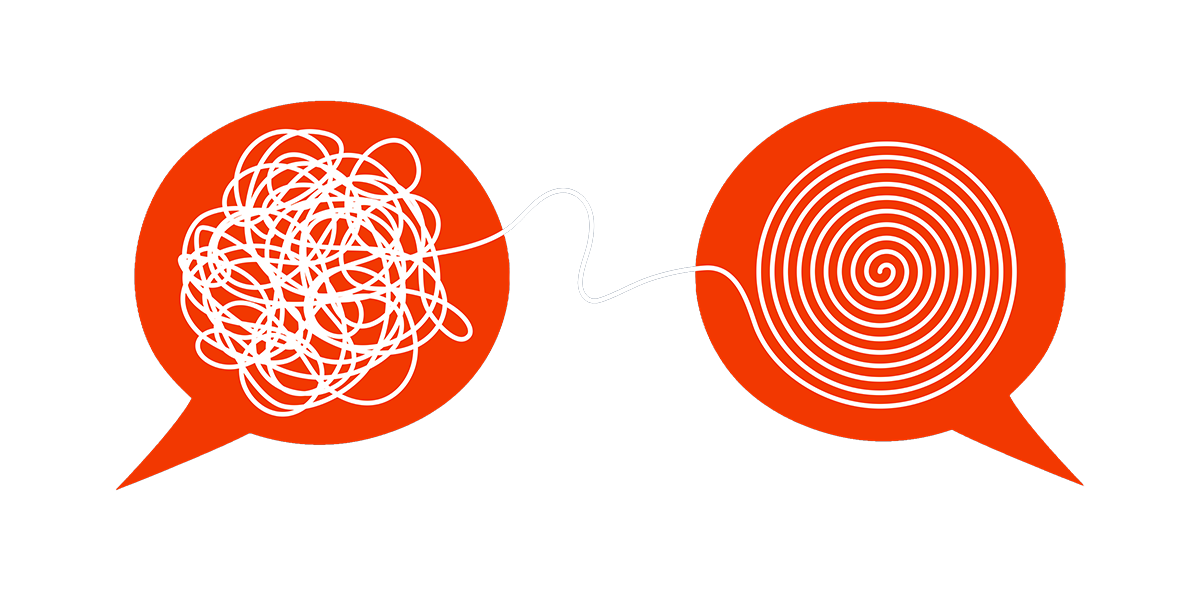
Every organization is a system — shaped by how people think, decide, and relate to one another.
That system determines how work flows, how decisions are made, and how coordination actually happens. Most of this is invisible.
When systems are unclear, performance becomes inconsistent and difficult to improve.
We don’t impose structure — we reveal what’s already there, then redesign it with intention. Because systems are not separate from people — they are expressions of how people think, decide, and work together.
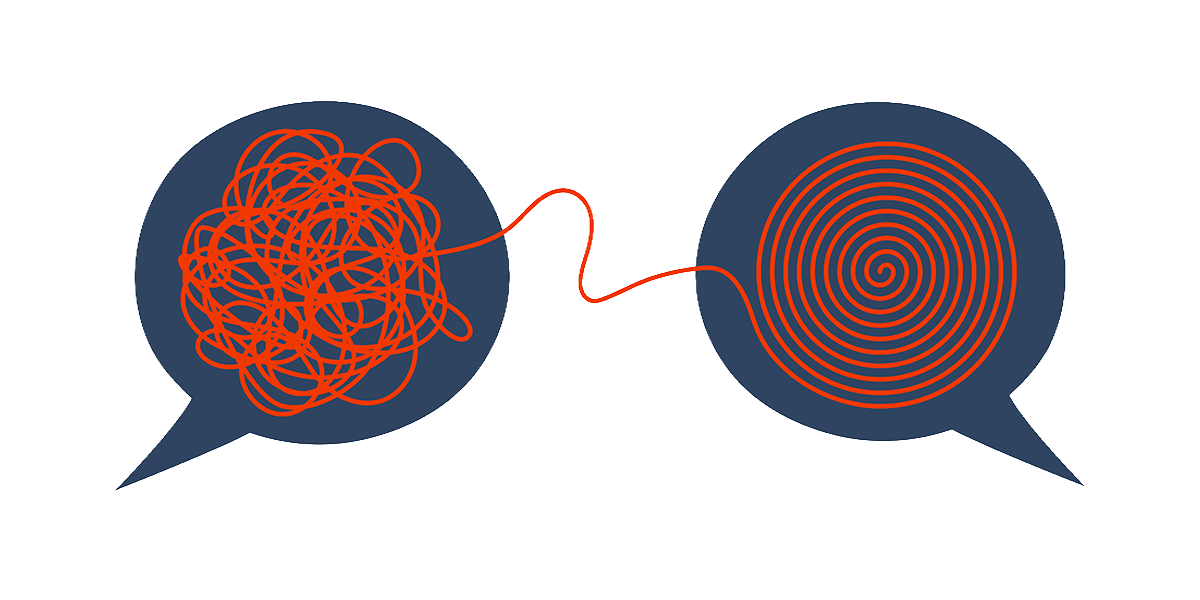
Technology should improve how an organization operates. But when systems are unclear, new tools often create more confusion, not less.
Artificial intelligence makes this even more important.
It doesn’t just add capability — it changes how work moves through systems. If the system is not clear, AI amplifies the problem.
We focus on clarity first — so technology can actually work. Because when systems are clear, people can work with intention — not react to complexity.
Why Xenovue Exists
Xenovue focuses on how work actually moves — not how it is documented or assumed.
Most organizations operate through a mix of processes, tools, and habits that have evolved over time. As technology and AI are introduced, those systems are placed under pressure.
Without clarity, adding more tools only increases friction.
What looks like complexity is often a reflection of misalignment — not just in systems, but in how people interact within them.
Every organization is a system — shaped by how people think, decide, and relate to one another.
That system determines how work flows, how decisions are made, and how coordination actually happens. Most of this is invisible.
When systems are unclear, performance becomes inconsistent and difficult to improve.
We don’t impose structure — we reveal what’s already there, then redesign it with intention. Because systems are not separate from people — they are expressions of how people think, decide, and work together.
Technology should improve how an organization operates. But when systems are unclear, new tools often create more confusion, not less.
Artificial intelligence makes this even more important.
It doesn’t just add capability — it changes how work moves through systems. If the system is not clear, AI amplifies the problem.
We focus on clarity first — so technology can actually work. Because when systems are clear, people can work with intention — not react to complexity.
Operational systems influence nearly every aspect of how organizations function.
When those systems are unclear, adding tools or processes doesn’t improve performance — it increases complexity.
We focus on understanding how operations truly function — so systems can be redesigned to support clarity, coordination, and continuous movement as conditions change.
Because when the system is clear, people can actually do their best work.
Operational systems influence nearly every aspect of how organizations function.
When those systems are unclear, adding tools or processes doesn’t improve performance — it increases complexity.
We focus on understanding how operations truly function — so systems can be redesigned to support clarity, coordination, and continuous movement as conditions change.
Because when the system is clear, people can actually do their best work.
inside xenovue
Xenovue works selectively with organizations that value thoughtful decision-making and long-term clarity in how they operate.
Our work involves examining how things actually function — which requires openness, trust, and a willingness to rethink established patterns.
We work with organizations that are serious about improving how their operations actually run.
Xenovue’s work is grounded in a broader view of how organizations evolve.
As complexity increases, systems must be designed with intention — not layered over time without structure.
Operations are not just about efficiency.
The organizations we work with are willing to slow down, examine deeply, and redesign their operations so they remain stable and effective as AI reshapes how work is done.
This is not surface-level optimization.
It requires looking at how decisions are made, how work is coordinated, and where friction actually exists.
The organizations we work with are willing to slow down, examine deeply, and make deliberate changes that hold over time.
This work changes not just how systems operate — but how people see and engage with their work.
navaroAI is part of Xenovue — AI Direction Education & Tools operated by Xenovue LLC.
The Xenovue Proprietary System and the Xenovue AI Direction Operating System™ are proprietary intellectual property of Xenovue LLC.
© 2026 Xenovue LLC. All Rights Reserved.